
Listen to a conversation about the newest AI capabilities in Search.
What does it take to enable billions of people to truly ask anything in Search?In the latest episode of the Google AI: Release Notes podcast, host Logan Kilpatrick sits …
What does it take to enable billions of people to truly ask anything in Search?In the latest episode of the Google AI: Release Notes podcast, host Logan Kilpatrick sits …
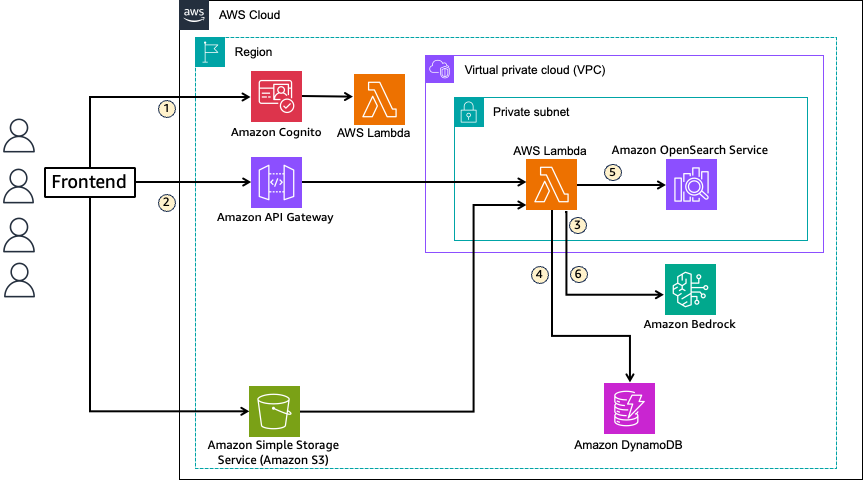
In recent years, the emergence of large language models (LLMs) has accelerated AI adoption across various industries. However, to further augment LLMs’ capabilities and effectively use up-to-date information and domain-specific knowledge, integration with external data sources is essential. Retrieval Augmented Generation (RAG) has gained attention as an effective approach to address this challenge. RAG is …
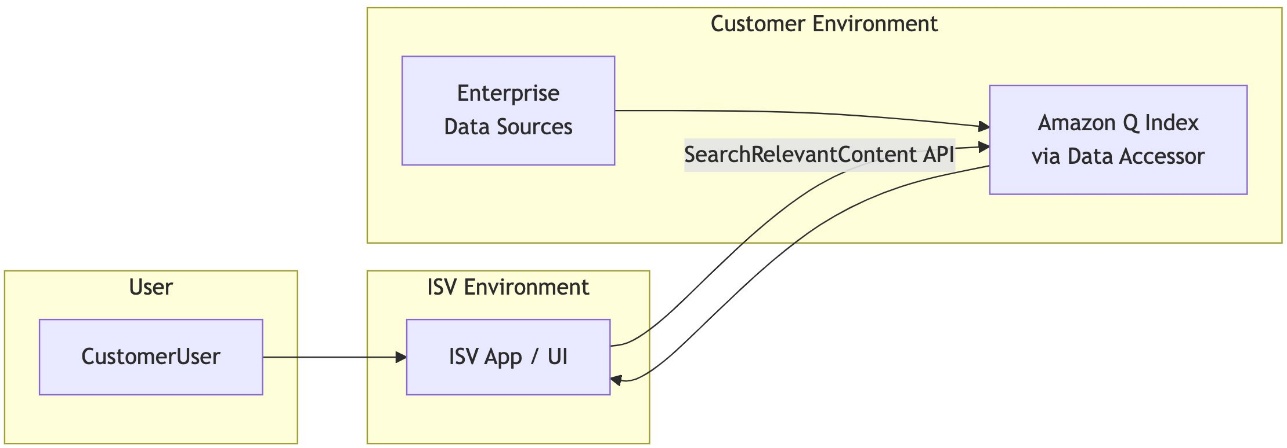
Today’s enterprises increasingly rely on AI-driven applications to enhance decision-making, streamline workflows, and deliver improved customer experiences. Achieving these outcomes demands secure, timely, and accurate access to authoritative data—especially when such data resides across diverse repositories and applications within strict enterprise security boundaries. Interoperable technologies powered by open standards like the Model Context Protocol (MCP) …

Learn more about new creation tools in Google Photos, like Photo to video, Remix and more.

Applications are now open for the first-ever Google for Startups Gemini Founders Forum, a two-day, in-person summit hosted by Google DeepMind and Google Cloud.Held Novem…
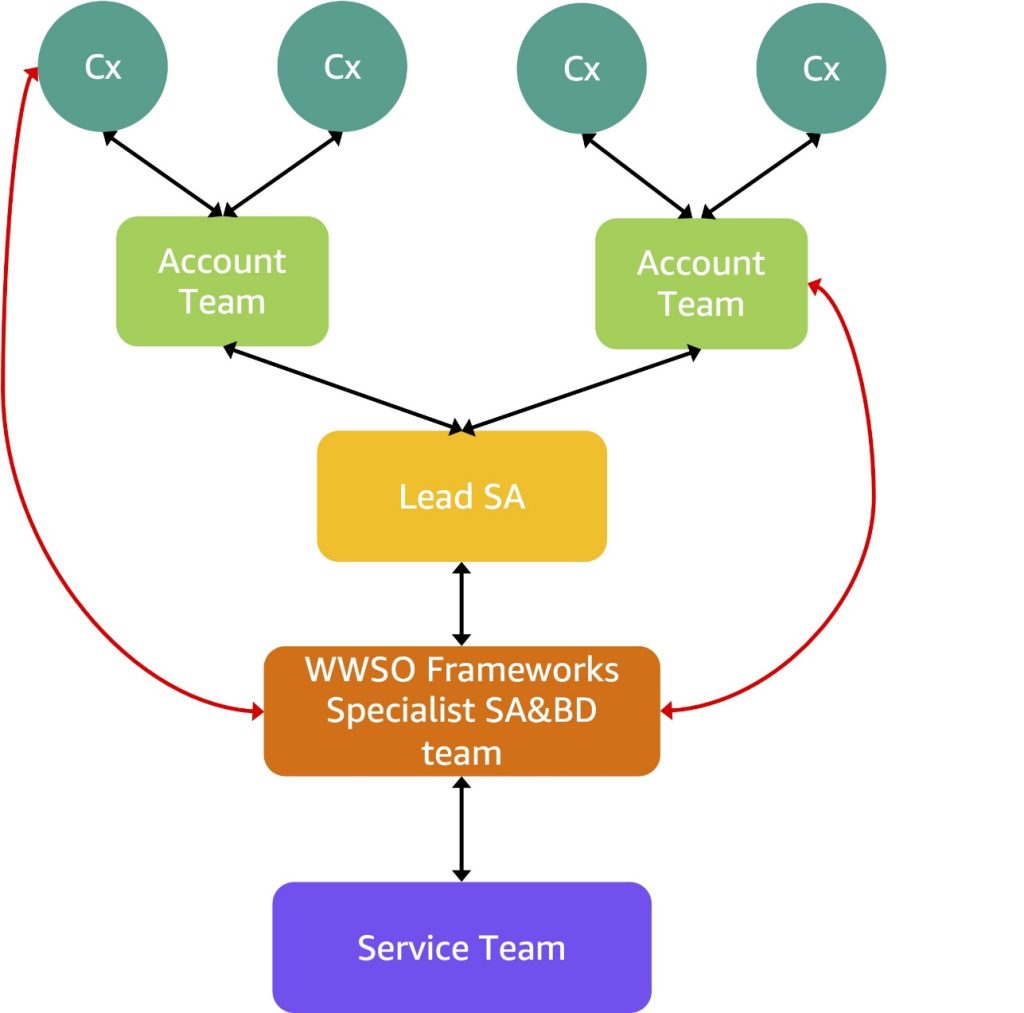
In 2024, the Ministry of Economy, Trade and Industry (METI) launched the Generative AI Accelerator Challenge (GENIAC)—a Japanese national program to boost generative AI by providing companies with funding, mentorship, and massive compute resources for foundation model (FM) development. AWS was selected as the cloud provider for GENIAC’s second cycle (cycle 2). It provided infrastructure …
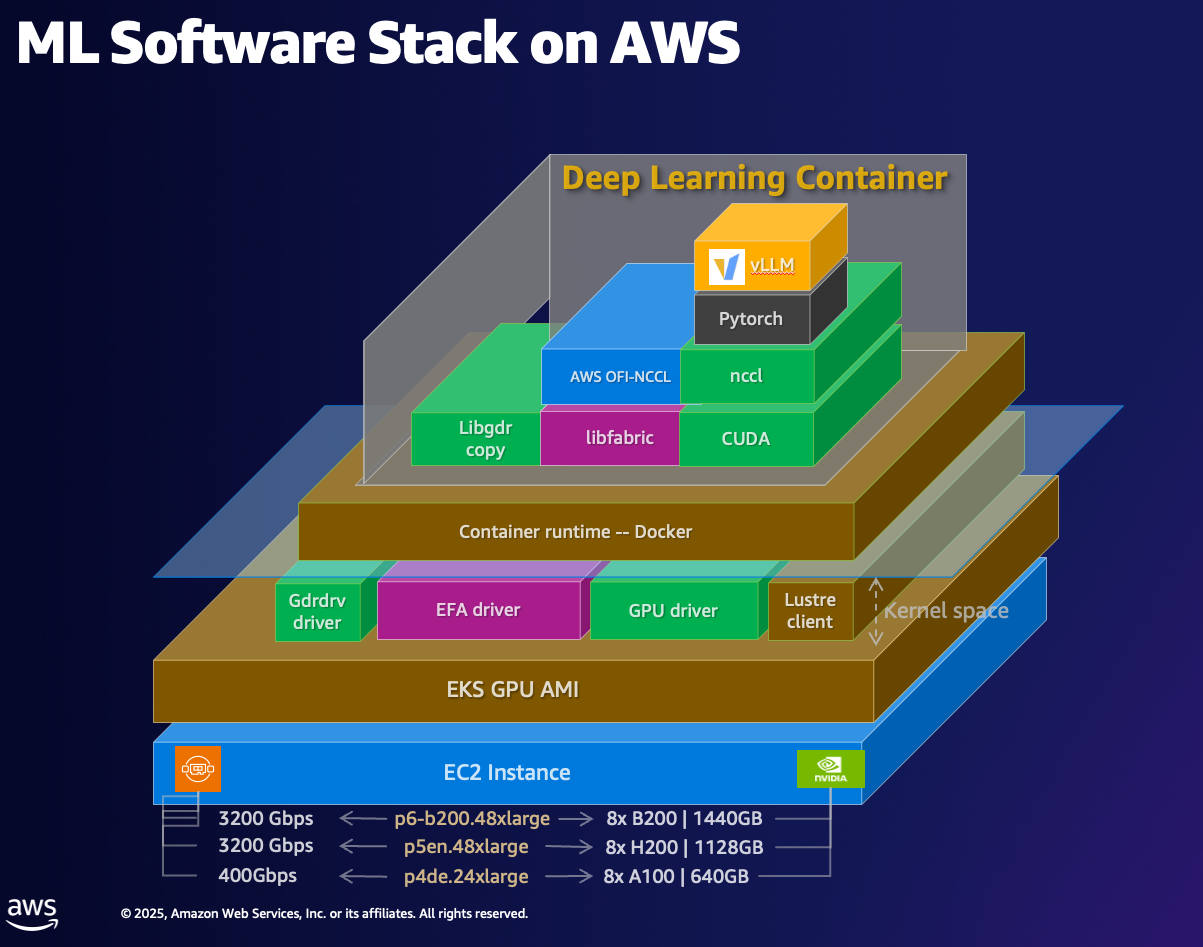
Data science teams working with artificial intelligence and machine learning (AI/ML) face a growing challenge as models become more complex. While Amazon Deep Learning Containers (DLCs) offer robust baseline environments out-of-the-box, customizing them for specific projects often requires significant time and expertise. In this post, we explore how to use Amazon Q Developer and Model …
Streamline deep learning environments with Amazon Q Developer and MCP Read More »
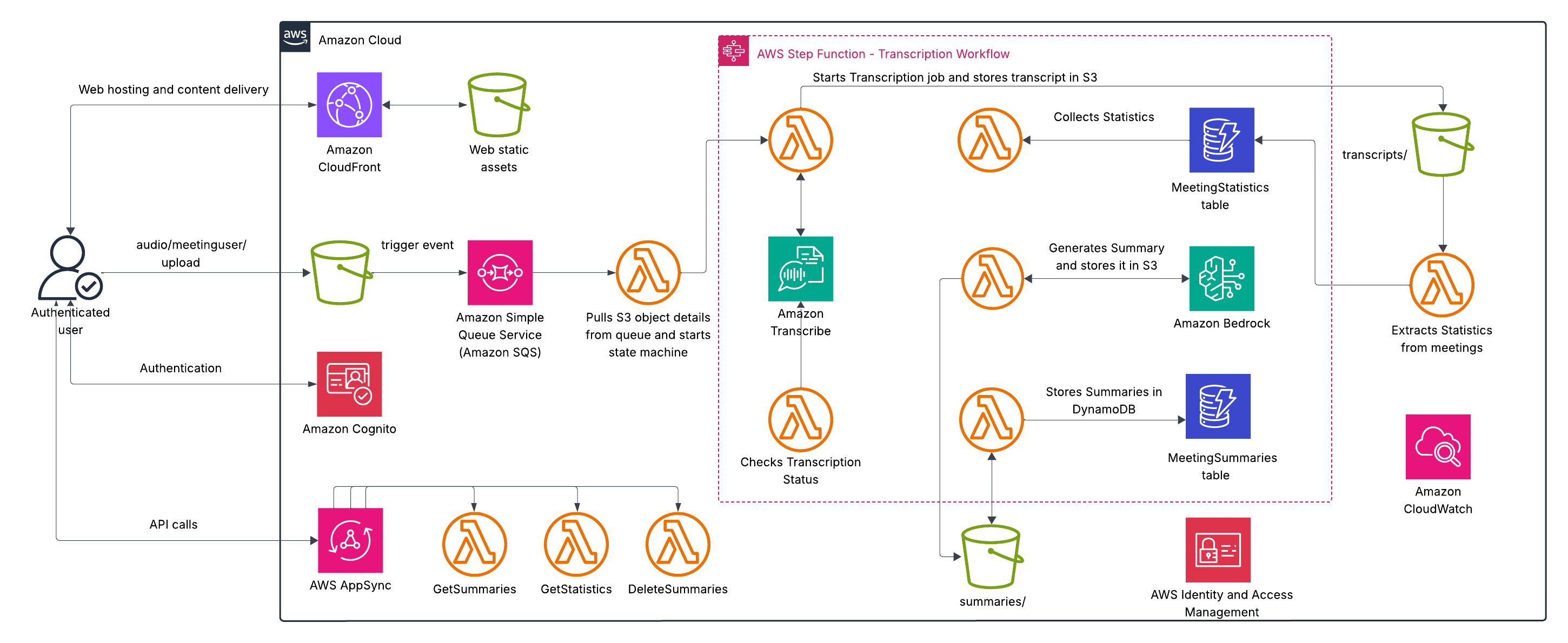
Extracting meaningful insights from unstructured data presents significant challenges for many organizations. Meeting recordings, customer interactions, and interviews contain invaluable business intelligence that remains largely inaccessible due to the prohibitive time and resource costs of manual review. Organizations frequently struggle to efficiently capture and use key information from these interactions, resulting in not only productivity …
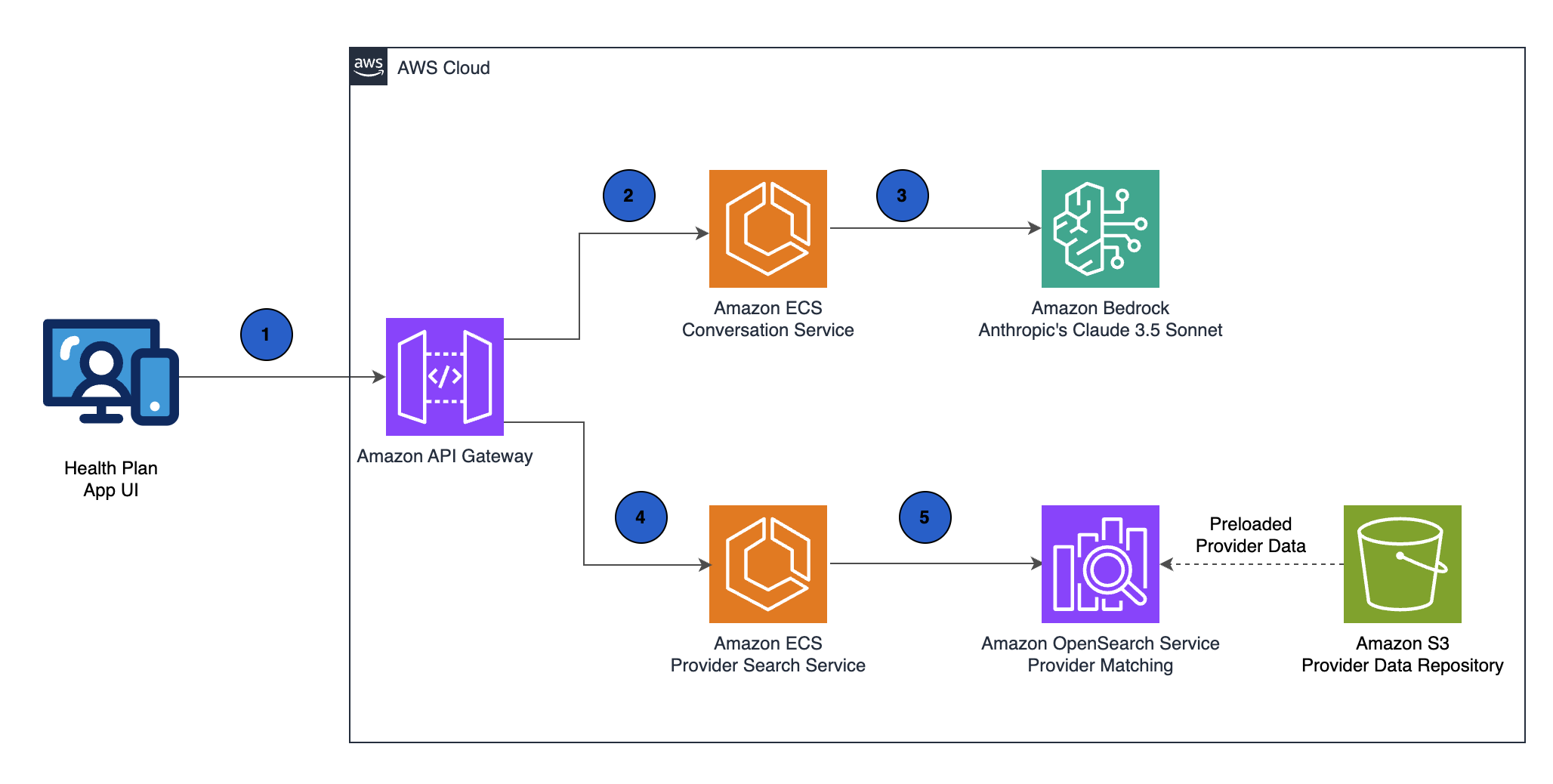
This post was written with Zach Heath of Kyruus Health. When health plan members need care, they shouldn’t need a dictionary. Yet millions face this exact challenge—describing symptoms in everyday language while healthcare references clinical terminology and complex specialty classifications. This disconnect forces members to become amateur medical translators, attempting to convert phrases like “my …
Kyruus builds a generative AI provider matching solution on AWS Read More »
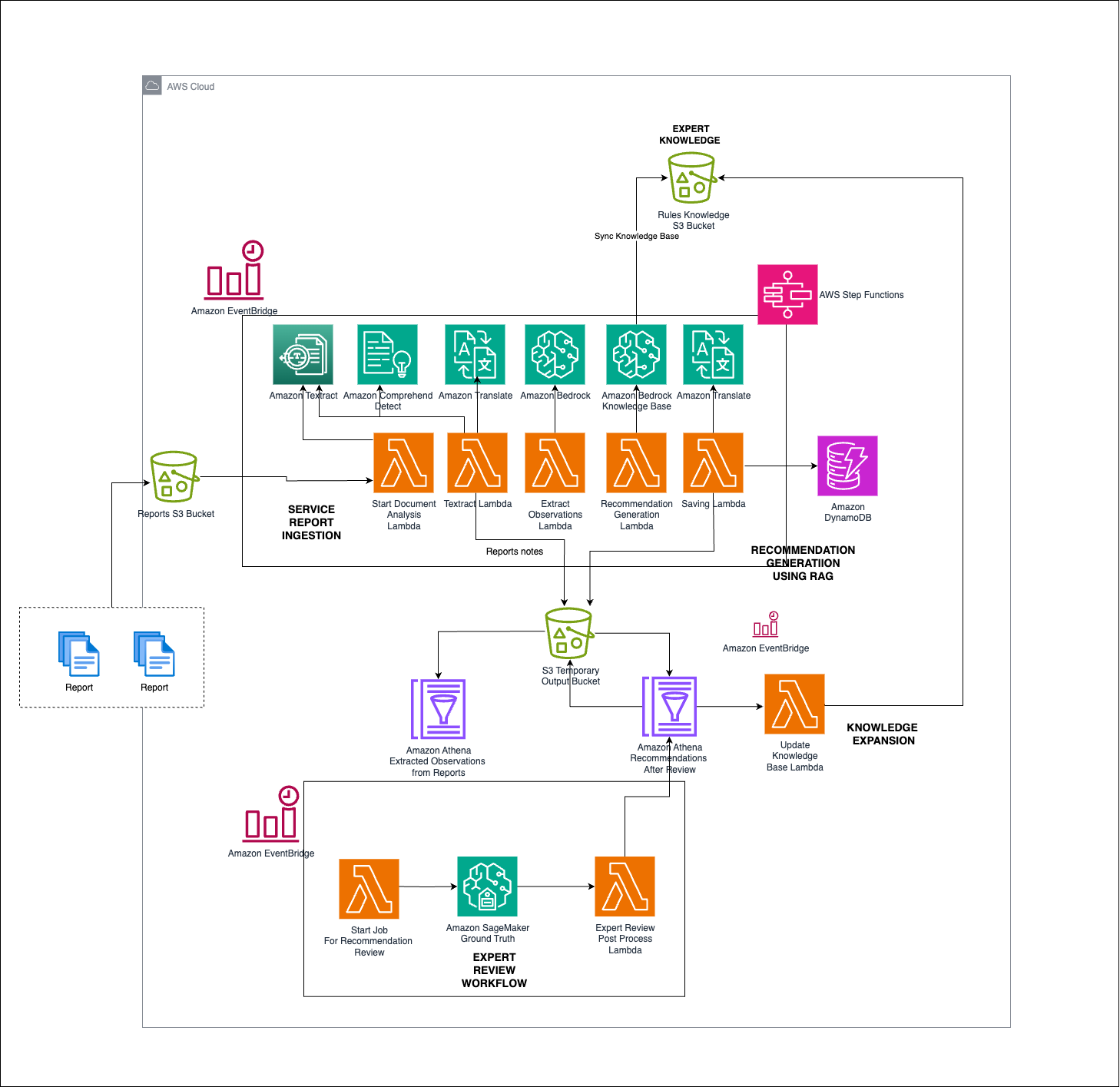
In the manufacturing world, valuable insights from service reports often remain underutilized in document storage systems. This post explores how Amazon Web Services (AWS) customers can build a solution that automates the digitisation and extraction of crucial information from many reports using generative AI. The solution uses Amazon Nova Pro on Amazon Bedrock and Amazon …