

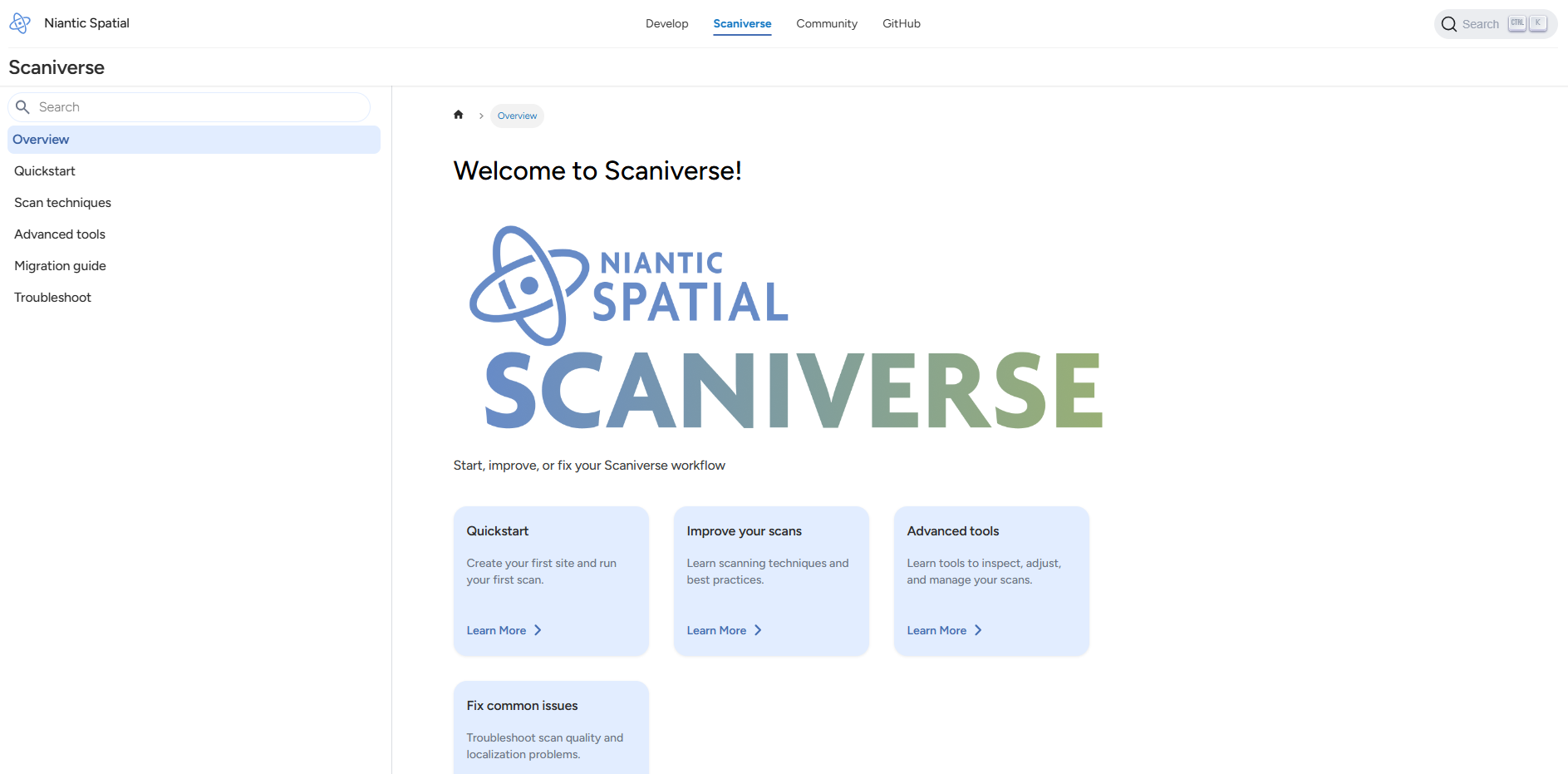
Visit Scaniverse website for full experience
Remarks
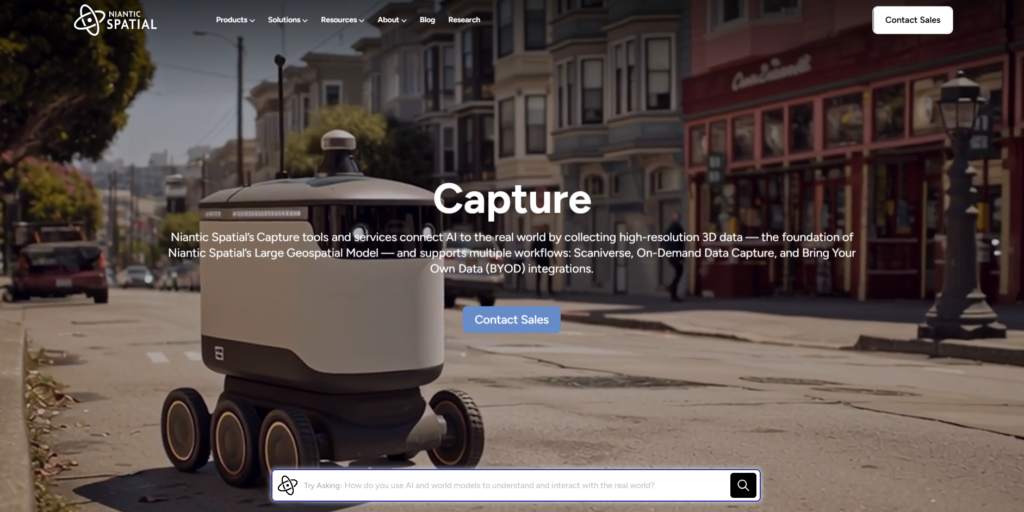
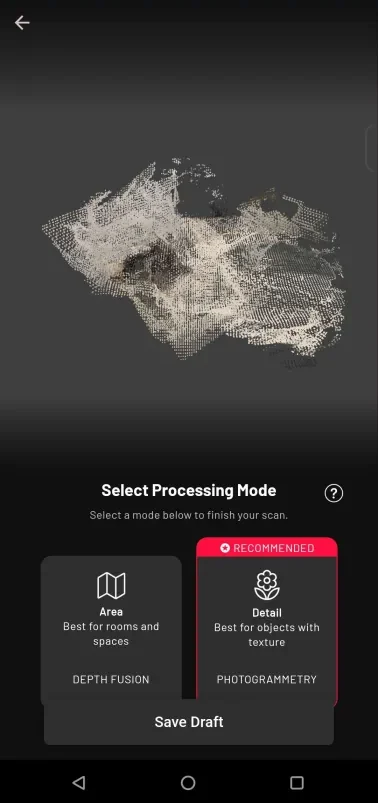
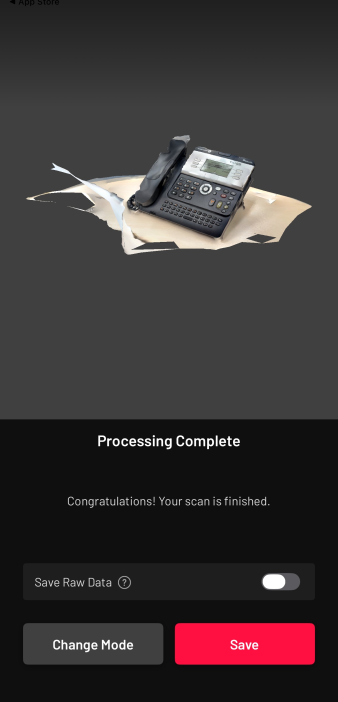
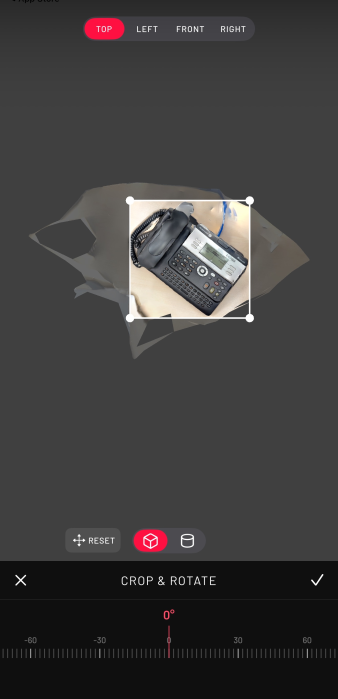
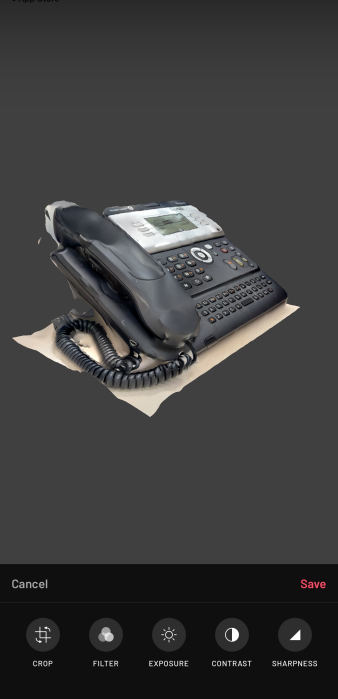
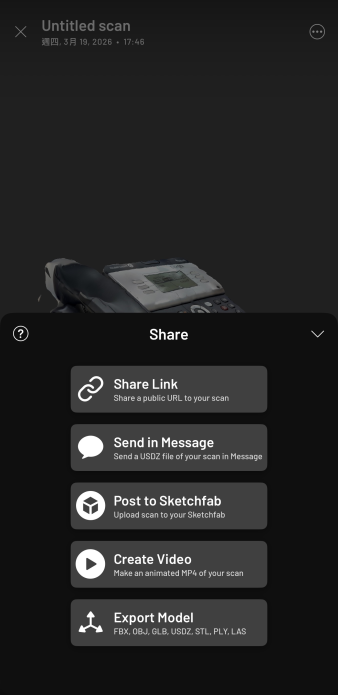
Scaniverse is a powerful 3D scanning app (owned by Niantic) that turns your smartphone into a high-fidelity 3D capture device. While it originally gained fame for its LiDAR integration, it has evolved into a leading AI-driven spatial platform.
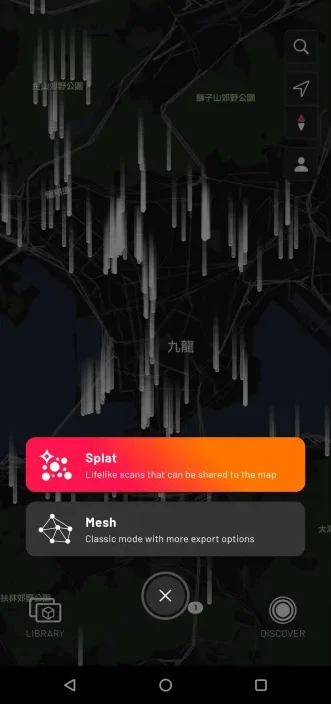
In 2026, its standout “AI” feature is 3D Gaussian Splatting (3DGS). Unlike traditional scanning that builds a “mesh” (a cage of triangles), Gaussian Splatting uses machine learning to represent scenes as millions of tiny, semi-transparent “blobs” (Gaussians). This results in photorealistic 3D captures that include reflections and complex lighting that traditional models often lose.
Core Usages:
- Photorealistic Digital Twins: Creating “3D photos” of environments, rooms, or objects that look identical to reality when viewed from any angle.
- VFX & Content Creation: Exporting models for use in Blender, Unity, or Unreal Engine for filmmaking and game development.
- E-commerce & Archiving: Digitizing physical products or historical artifacts with high visual accuracy.
- Geospatial Mapping: Using Niantic’s “Visual Positioning System” (VPS) to anchor AR content to real-world locations.
Limitations
While powerful, Scaniverse has specific constraints:
- Static Scenes Only: If things move during the scan (people walking, trees blowing), the “AI” will get confused, resulting in “ghosting” or blurry artifacts.
- Reflective & Transparent Surfaces: While Gaussian Splatting is better at reflections than old methods, mirrors and clear glass still pose significant challenges for the AI to depth-map.
- File Sizes: Gaussian Splat files can be significantly larger than traditional low-poly meshes, making them heavier for mobile web viewing.
- Device Requirements: For the best experience (LiDAR), you generally need a Pro-level iPhone/iPad, though the AI photogrammetry mode works on most modern Android and iOS devices.

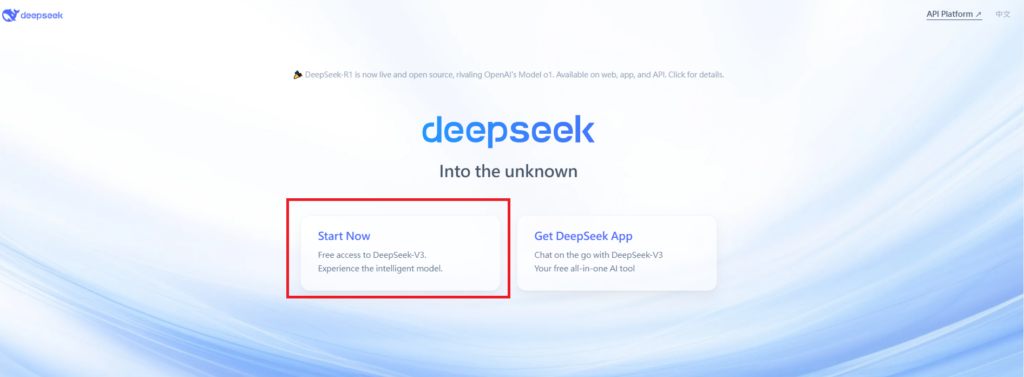
Visit Deepseek website for full experience
Remarks
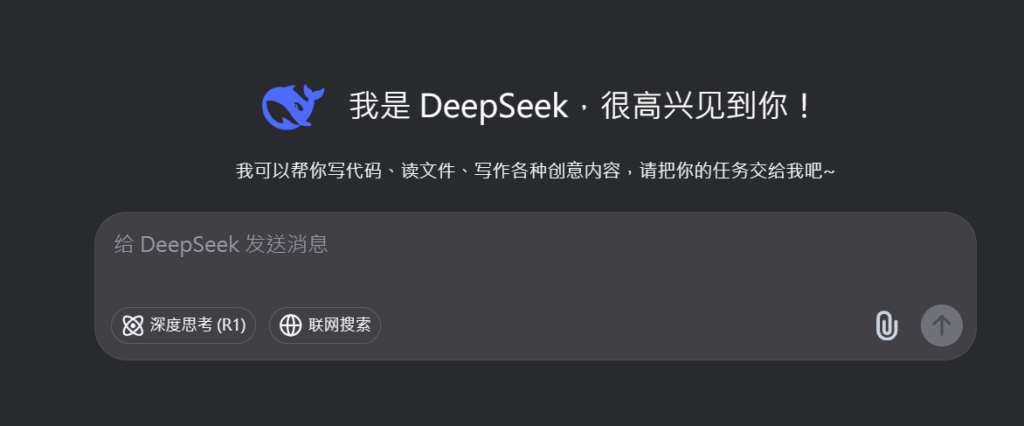
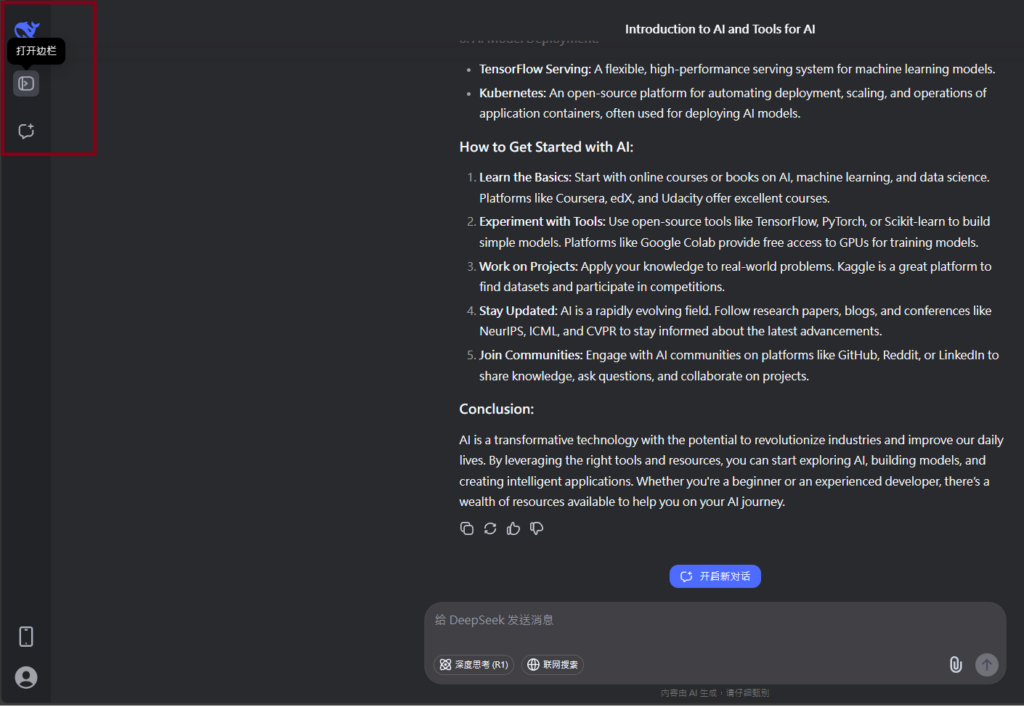
DeepSeek is an AI-powered tool designed for deep information retrieval, analysis, and content generation. It is commonly used in areas such as:
- Advanced Information Retrieval
- DeepSeek can process and analyze large datasets to extract relevant insights.
- It helps users find precise information beyond standard search engines.
- Natural Language Processing (NLP) Applications
- Used for text summarization, sentiment analysis, and question-answering systems.
- Supports various languages and can generate human-like responses.
- AI-Assisted Research and Writing
- Helps researchers analyze academic papers, generate summaries, and suggest references.
- Useful for drafting articles, reports, and creative writing.
- Code Assistance and Debugging
- Provides AI-powered code suggestions, optimizations, and bug fixes.
- Supports multiple programming languages, aiding developers in software development.
- Business and Decision-Making Support
- Analyzes market trends, customer feedback, and financial data for businesses.
- Assists in generating insights for strategic decision-making.
limitation:
- Accuracy and Hallucination Issues
- AI models can sometimes generate incorrect or misleading information.
- Requires human verification before relying on outputs.
- Limited Real-Time Data Access
- May not always provide the latest information if it’s not connected to live data sources.
- Some AI models work with pre-trained datasets, limiting real-time updates.
- Context Limitations
- Struggles with highly nuanced or ambiguous queries.
- Long conversations may lead to context loss or inconsistencies.
- Ethical and Bias Concerns
- AI models can reflect biases present in training data.
- Requires careful consideration when used in sensitive applications.
- Computational Resource Constraints
- Running deep learning models requires significant computational power.
- Latency issues may arise during complex queries or large-scale data analysis.

Lorem ipsum dolor sit amet, consectetur adipiscing elit. Ut elit tellus, luctus nec ullamcorper mattis, pulvinar dapibus leo.